VR Gaming: Presence and Physics
Designing for true immersion means abandoning traditional gaming paradigms and embracing spatial presence and interactive physics.
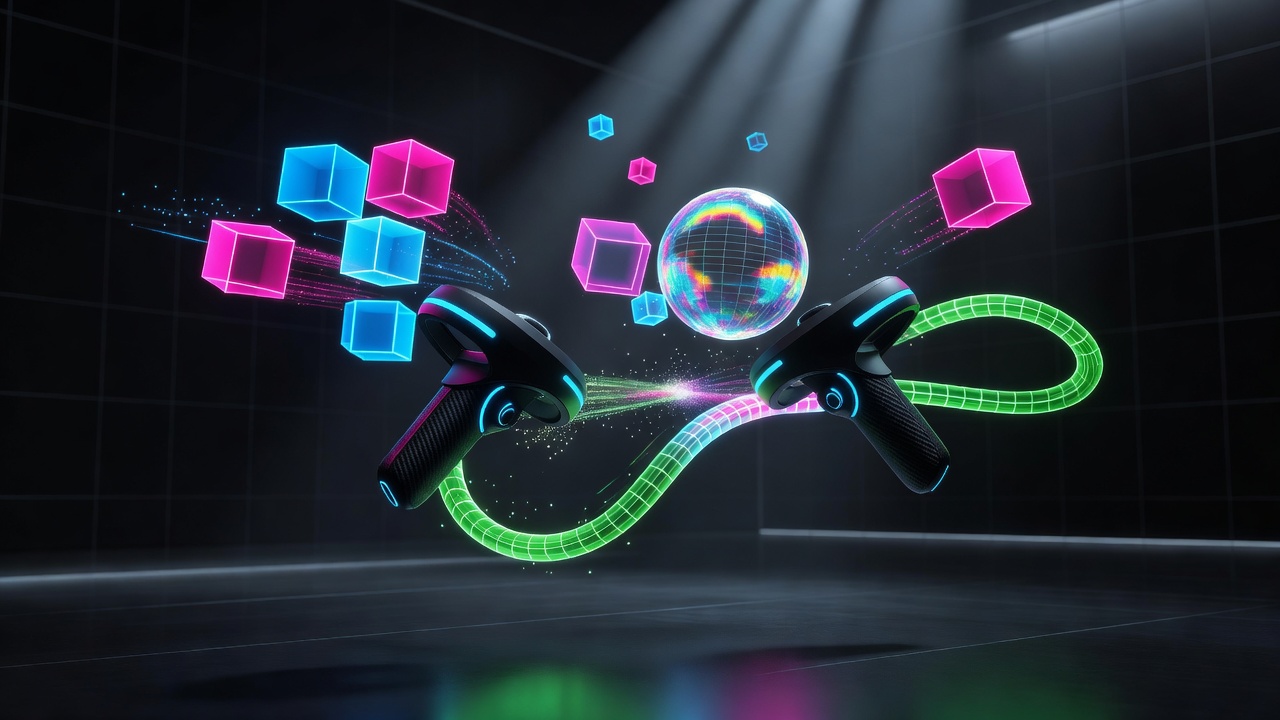
The Psychology of Presence
Traditional flat-screen gaming relies on suspension of disbelief; the player understands they are looking through a window into another world. Virtual reality gaming strives for a psychological phenomenon known as "presence." Presence occurs when the brain's low-level sensory systems are sufficiently tricked into believing the body is genuinely inhabiting the digital space, overriding the intellectual knowledge that the user is standing in their living room.
Achieving presence requires perfect synchronization of visual, auditory, and physical feedback. A dropped frame, a misaligned tracking camera, or a sound lacking proper spatial audio cues will instantly shatter this illusion. When executed correctly, presence elevates gaming from a passive interaction to a physical memory.
The Challenge of Locomotion
Moving a player through a vast digital world while their physical body remains stationary is the most enduring design challenge in VR gaming. If a game forces smooth, artificial movement (like pushing a joystick to walk forward) while the player's inner ear feels no acceleration, a sensory conflict occurs, frequently resulting in nausea or "VR sickness."
Developers have engineered several solutions to this problem:
- Teleportation: The player aims a cursor and instantly blinks to a new location. This completely eliminates motion sickness but can break narrative immersion and impact competitive game balance.
- Vignetting: Also known as "comfort blinders." During artificial movement, the game darkens the peripheral vision, reducing the optical flow that triggers nausea while maintaining the core visual focus.
- Physical Metaphors: Forcing the player to swing their arms to run or physically grab the environment to pull themselves forward. Tying in-game movement to actual physical exertion helps align the sensory systems.
Physics-Based Interaction
In traditional games, pressing a button might trigger a pre-rendered animation of a character reloading a weapon or opening a door. In VR, pressing a button feels hollow. Players expect digital objects to obey the laws of physics. They want to physically grasp a drawer handle, pull it open, pick up a magazine, and manually slam it into the receiver of a weapon.
Implementing deep physics systems is computationally expensive but necessary for immersion. When a player strikes a digital wall with a digital sword, the sword cannot simply clip through the geometry. The game must calculate the collision and arrest the digital weapon's momentum, even as the player's physical hand continues to swing. Reconciling the player's physical avatar with the game's rigid body physics is a masterclass in modern game design.
The Rise of Rhythm and Fitness
While expansive RPGs and shooters attract core gamers, the genres that have seen the most explosive mainstream success in VR are rhythm and fitness. By their nature, these games require a 1:1 ratio of physical movement to digital action, anchoring the player firmly in the present moment.
Striking incoming targets to the beat of a high-energy soundtrack forces cardiovascular exertion. The hardware's ability to track precise spatial movements makes it uniquely suited to gamify exercise, turning mundane physical exertion into an engaging, score-chasing loop. This genre has expanded the VR demographic significantly beyond traditional gaming audiences.
Multiplayer and Social Dynamics
Virtual reality fundamentally changes multiplayer dynamics by introducing body language. Even with low-poly, highly stylized avatars, the translation of subtle head tilts, hand gestures, and spatial proximity creates a startlingly intimate social environment.
Cooperative puzzle games and tactical squad shooters rely heavily on this non-verbal communication. Pointing at a target, shrugging in confusion, or physically handing an item to a teammate creates a level of collaborative presence that voice chat alone cannot replicate, cementing VR as a uniquely powerful social medium.